

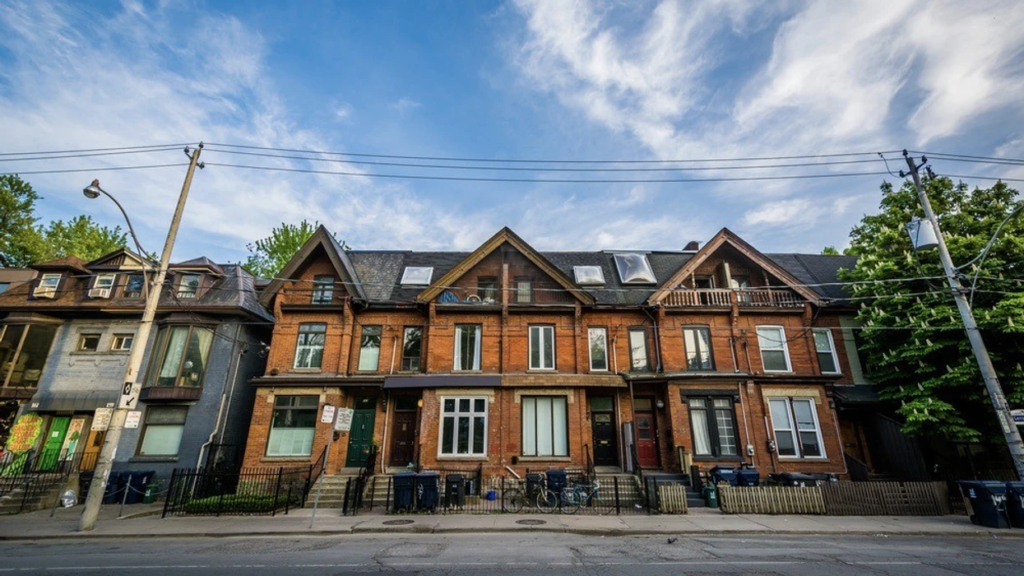
Canada’s housing crisis has reached a critical point, with rising prices and a shortage of affordable housing putting homeownership out of reach for many Canadians In a bold move, Prime Minister Justin Trudeau’s permanent plan a complete one to address the housing shortage by letting underutilized public land be consumed by manufacturers.
Unlocking Underutilized Public Land
The government’s plan aims to utilize and thus currently underutilized public assets, such as abandoned industrial parks, defunct government corporate sites and low enrollment schools transferring this property to developers, the government hopes to address severe scarcity and encourage affordable housing. This new approach recognizes the need to make better use of existing resources and services rather than rely solely on new land acquisition or development.
Innovative utilization of existing public resources.
The target of building 3.9 million new homes by 2031, while ambitious, still falls short of projected demand. According to the Canada Mortgage Housing Corporation (CMHC), an additional 1.2 million dwellings will be needed between 2023 and 2030 to meet the growing housing needs of Canadians This crisis highlights the severity of the housing crisis and the need to they try more regularly than the current system is emphasized.
Acknowledging the gap between supply and projected demand.
In addition to opening up public land, the Liberal government has announced a range of measures to tackle affordable housing from a variety of perspectives. These include changing the capital tax regime to encourage institutional builders to build more homes, proposed expansion of low-cost loans and efforts to tackle mortgage fraud, with amnesty which increases the cost of housing.
Massive Investment Required
According to Mike Moffatt of the Task Force for Housing and Climate, an independent think tank, meeting the government’s target of 3.9 million new homes will require builders and other stakeholders will invest C$2 billion ($1.5 billion). These staggering statistics highlight the scale of the housing crisis and the need for greater private involvement and cooperation.
Massive investment highlighting crisis magnitude.
The housing shortage in Canada is caused by a combination of factors such as rapid immigration, inflation and rising interest rates These factors have increased the cost of real estate and rental housing, and provide it is more difficult for Canadians to find homes where customized solutions can reduce.
Understanding underlying drivers for tailored solutions.
While housing is largely regulated by Canada’s 10 provinces and municipalities, the federal government plays an important role in planning policy and providing financial support to facilitate the development of affordable housing in state the whole of the. It is also about encouraging a collective approach to the housing crisis.
Collaborative approach with federal leadership.
As the housing crisis continues to affect Canadians across the country, the government’s ambitious plan to open up public land to affordable housing represents a major step towards addressing the urgency this is the solution. But achieving the ambitious target of 3.9 million new homes by 2031 will require sustained efforts and significant investment from all stakeholders, including the private sector, and beyond also to ensure the affordability of current and future generations of Canadians.
The Liberal government’s flurry of activity, including various measures announced in the past two weeks, suggests a strong focus on tackling the housing crisis. With the issue expected to dominate the upcoming federal budget, Canadians will be watching how the government plans to allocate resources and effectively implement programs to support its ambitious housing goals.
Ultimately, the success of this program will depend on the concerted efforts of various stakeholders from developers and architects to policy makers and the financial institution market for all Canadians.