

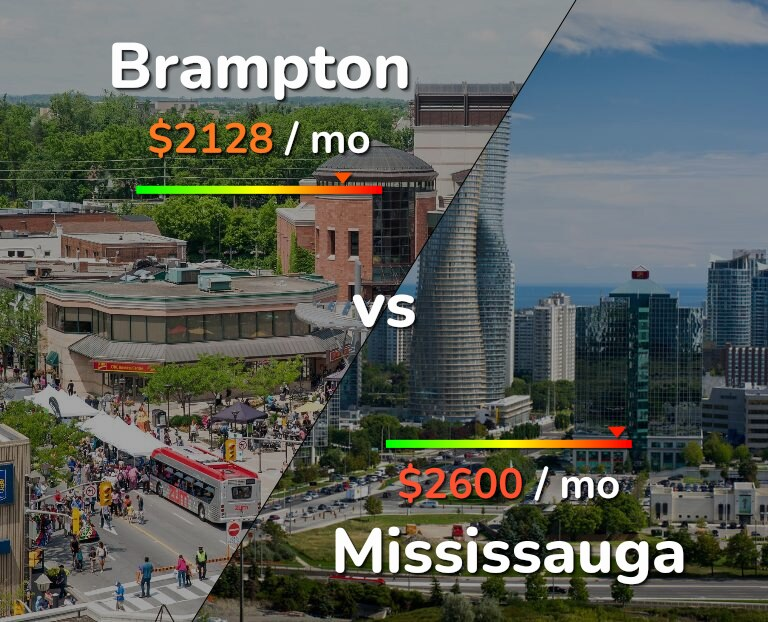
After years of rapid growth, the Ontario housing market is experiencing a dramatic shift towards stability. The median home price in Ontario as of April 2024 is $900,161. It represent an annual decline of 0.9% but an increase of 1.3% monthly. This consistent pattern of growth contrasts sharply with the double-digit increases seen through February 2022 Of this cooling market. Central Brampton and Mississauga have emerged as new hotspots and have demonstrated unique ongoing opportunities.
Brampton’s Unique Trends
Brampton offers a compelling case in the Ontario housing market. Despite a 5.7% drop in average home prices. Now at $1,026,582, the city experienced significant population growth. Since 2016, Brampton’s population grew by 10.6%, reaching 656,480 in 2021. The city’s density is 2,469 people/km2. This population growth, coupled with falling home prices, suggests the possibility of increased demand as more people seek affordable housing in more affluent neighborhoods.
Mississauga’s Market Resilience
Mississauga, another major city, has shown flexibility in its housing market. The median home price in Mississauga was $1,126,060. It represents a 4.6% increase over last year. It was 2,453/km2 with a population of 717,961. Despite a slight population decline of 0.5% since 2016, Mississauga’s real estate market is the result of favorable location and sustainability factors. The City’s ability to raise prices amid a broad market cooling confirms its appeal as a desirable place to live and invest.
Comparative Analysis with Other Cities
Unlike Brampton and Mississauga, Ontario’s other metropolitan areas exhibit different market dynamics. Toronto’s median house price was $1,152,200, up 2.8%. Ottawa’s median house price of $705,117 represents an increase of 4.0%, driven by an 8.9% increase in population from 2016. Hamilton’s housing market saw a small increase of 1.4%, with an average house price of $818,381. Thus, these changes affect each city’s housing market They highlight unique features and the specific opportunities offered.
Influence of Increased Inventory Levels
The increasing number of houses is a major factor shaping the current market. Until April 2024, inventory levels have increased dramatically across Ontario, giving consumers more options. This increase can be attributed to new construction and homeowners taking advantage of favorable market conditions. Increased inventory indicates a decrease in sales and new listings ratio (SNLR) in most cities. It indicates a shift towards an equilibrium market. This trend is particularly useful for customers in Brampton and Mississauga. Here, increased supply can help keep prices reasonably high and provide affordable prices.
The Role of Interest Rates
Interest rates continue to have a crucial impact on the housing market. The Bank of Canada maintains a stable interest rate that rises sharply from mid-2023. Interest rates are likely to be cut as early as June 2024, keeping mortgages strong and stimulating market activity. Brampton and Mississauga’s low interest rates could further increase demand, making these cities more attractive to buyers looking for value and growth potential in the cooling market.
Brampton and Mississauga are considered to be new regions in Ontario’s changing housing scene. Their unique market practices, combined with high inventory levels and potential interest rate discounts, offer buyers a unique opportunity. As the broader market cools, these cities offer a mix of complexity, growth potential and transformation, making them attractive destinations for homebuyers and investors.