

The housing industry is dealing with the implications of these changes in housing stress tests. Stress testing is an important process designed to assess a borrower’s ability to handle potential interest rate increases. It has become a focus for potential homebuyers and industry experts.
In a move that may bring relief to some borrowers, the Office of the Ombudsman for Financial Institutions (OSFI) recently announced minimum qualifying amounts for uninsured, common mortgages call it the stress test, will not change from the current level (1). While some experts have called for reducing stress tests to ease mortgage concerns, most agree that the standard has been effective in protecting Canadian homeowners and lenders from the shock of interest rates (1).
The stress test requires borrowers to qualify at the mortgage covenant rate plus two percent or the lesser applicable factor of 5.25%, whichever is greater (1). During the COVID-19 pandemic, while interest rates were historically low, many Canadian borrowers qualify at 5.25%. But with the Bank of Canada hiking aggressively from March 2022, borrowers now likely qualify for higher contract rates plus two per cent.
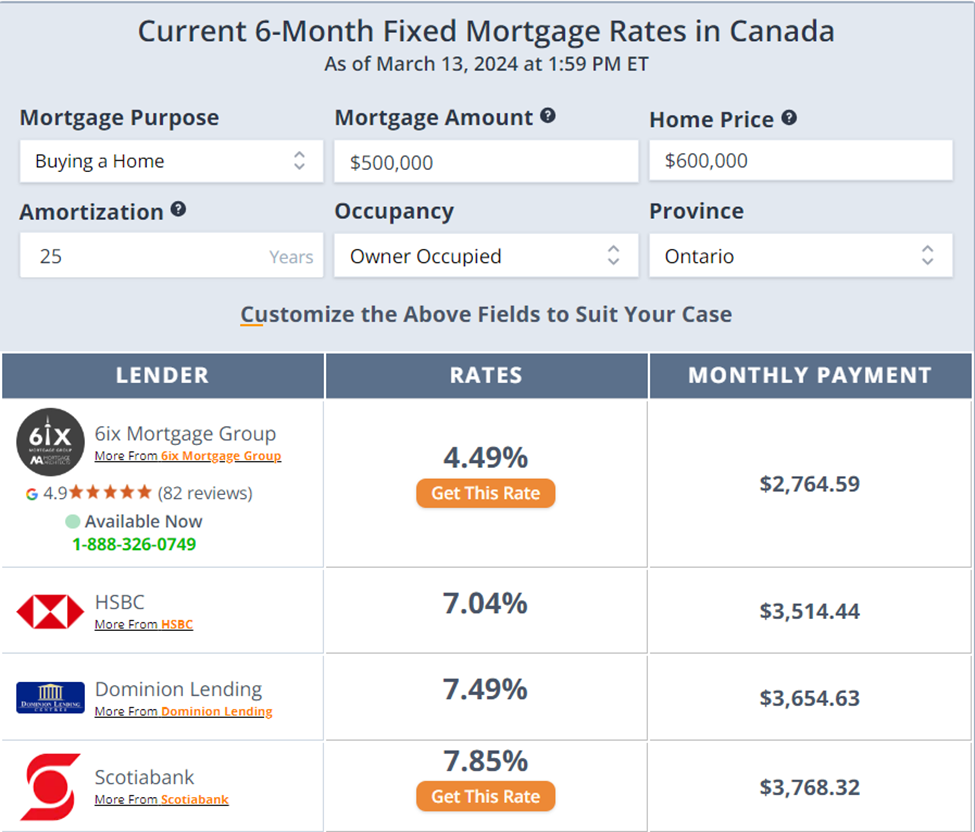
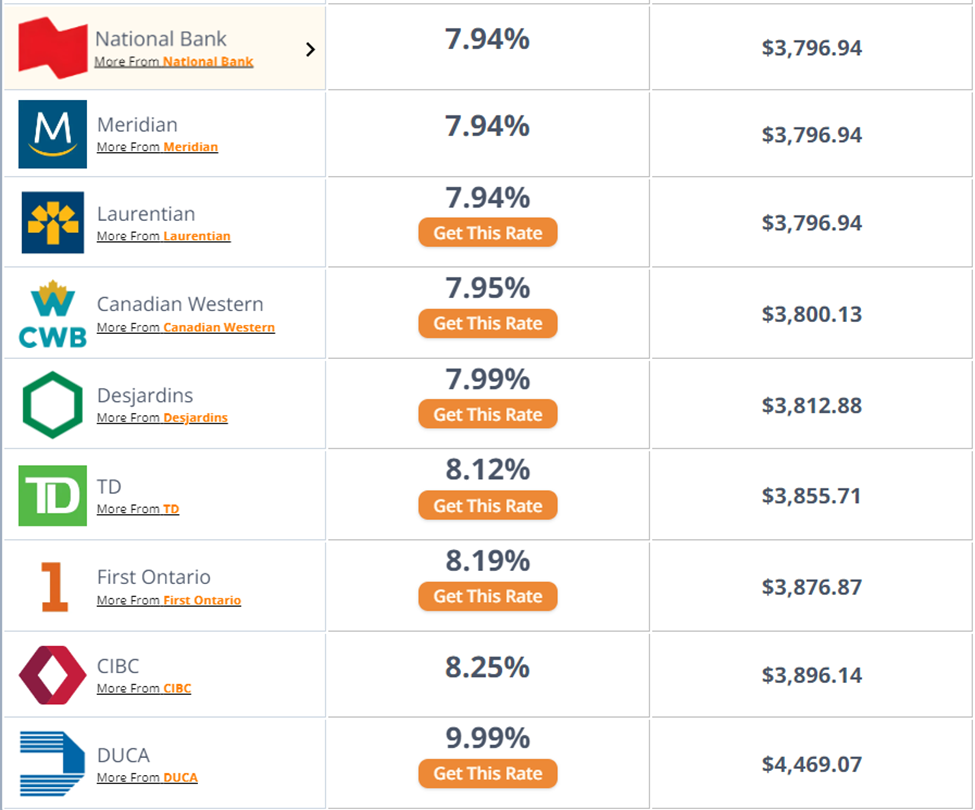
The impact of these inflation rates on mortgage payments is significant, as a recent Bank of Canada study highlighted (2). By the end of November 2023, approximately 45% of the mortgages received before the rate increase will have increased payments (2). Furthermore, the study estimates that by the end of 2026, nearly all remaining tenants in this group will have gone through renewal, potentially facing significant payment increases (2).
A borrower who took out a mortgage in 2021, when interest rates were at historic lows, or when mortgage rates were variable, will generally see a significant increase in payments, the study reveals by the end of 2026 (2). Median premiums and expected growth of a staggering 54% (2).
While income growth may decrease the impact of higher interest rates on borrowing capacity, the mortgage servicing ratio (MDSR) rise can still be historically significant (2). For example, a mid-level borrower who took out a fixed-rate variable loan in 2021 could see their MDSR increase by 5% at renewal The increase could be as much as 8 percent (2).
As the housing industry addresses these challenges, some lenders are offering lower rates on specific mortgage types, driven by forecasted discounts from major banks such as Canada (3). The bank provide less than 5% on loans with a fixed date such as five- year insured terms Rates became available – Canadians saw the lowest rates until late summer of 2023 (3 ).
But these lower rates do not directly benefit holders of variable mortgages or mortgage loans, as these products are pegged to the Bank of Canada overnight interest rate (3). Imposed by mortgage brokers note that many Canadians wait for lower mortgages before entering the housing market, but be warned that delays increase competition and can drive up prices (3).
While lower rents can stimulate demand for housing, its impact on the broader economy remains uncertain. Analysts at the Bank of Canada point out that a wave of new mortgages expected by the end of 2026 (3).
Sources:
(1) https://globalnews.ca/news/9350422/canada-bank-regulator-mortgage-interest-rate/
(2) https://www.bankofcanada.ca/2023/12/staff-analytical-note-2023-19/
(3) https://www.cbc.ca/news/business/fixed-interest-rates-drop-economy-still-slow-1.7069369