

The Canadian real estate market has been on a rollercoaster ride in recent years, with soaring prices during the pandemic followed by a significant correction in 2022 and 2023 due to rising interest rates. However, as we move into 2024, there are signs of stabilization, and a new trend is emerging – a growing demand for sustainable homes among luxury buyers.
According to the Luxury Outlook Report from Sotheby’s International Realty (SIR), sustainability is becoming a mainstream consideration in the home search process (2). Luxury home buyers are increasingly concerned about two key issues: whether the property is located in a high-risk area for natural disasters, and whether the home has been built with environmentally conscious considerations, such as eco-friendly heating systems or electric vehicle charging capabilities.
This trend is driven by a new generation of buyers for whom sustainability is highly important. Sotheby’s agents predict that sustainable properties will generate premium prices in the future (2). In regions prone to natural disasters, such as wildfires in Southern California or hurricanes in Puerto Rico, buyers are now inquiring about a home’s risk level and sustainable features as a matter of course.
Key Figures from Canada’s Real Estate Market Outlook (2024)
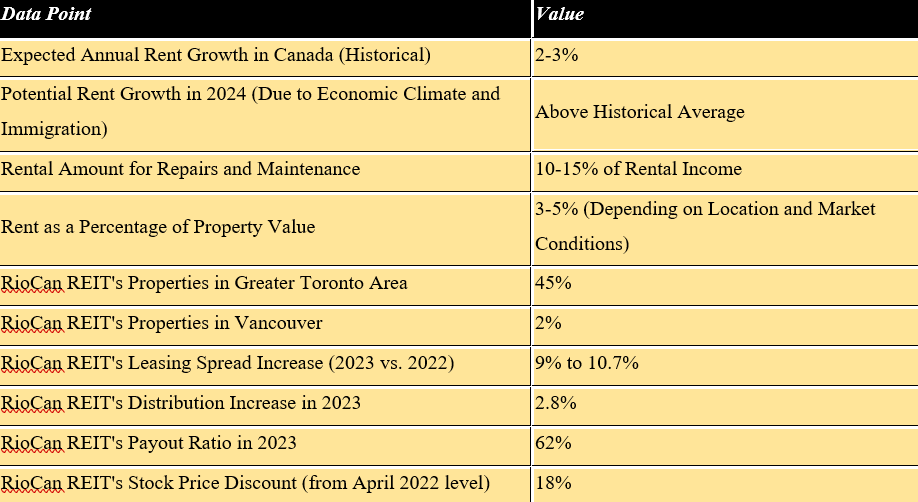
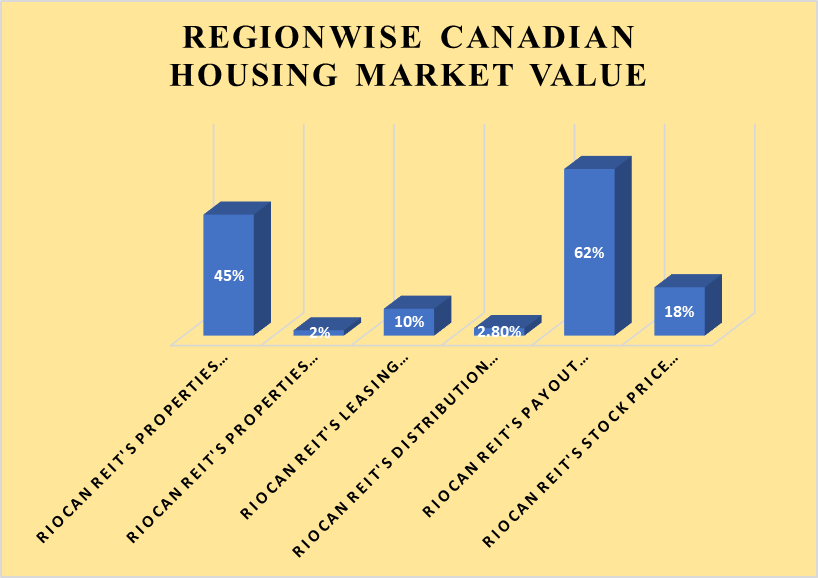
For those looking to purchase a sustainable home in the Canadian market in 2024, there are several factors to consider. According to Robert Hogue, Assistant Chief Economist at RBC, the larger window of opportunity for buyers is likely to open only after interest rates have dropped materially, something expected in the latter stages of 2024 or 2025 (Source 1). This is especially true for first-time buyers who may be more financially constrained.
However, despite the potential for further price corrections in some areas, Nathan Levinson, founder and president of Royal York Property Management, suggests that in regions where the market appears to have stabilized or where demand remains consistently high, waiting might not be beneficial (3).
When it comes to rental income, a key consideration for investment properties, Levinson notes that properties in cities like Toronto, Vancouver, and Victoria can command higher rents due to their high cost of living. However, he also cautions that a growing number of tenants are struggling to pay rent due to economic pressures, creating challenges for landlords and homeowners (3).
For those interested in investing in real estate stocks, Levinson suggests considering REITs with high exposure to the Toronto market, such as RioCan REIT, which has about 45% of its properties in the Greater Toronto Area (3). However, he advises against office REITs due to lower occupancy rates.
When it comes to the sustainable home buying process in 2024, it’s essential to work with real estate professionals who understand both the local market dynamics and the importance of sustainability (1). When looking for a home, people who care about the environment should expect to pay more money. Some houses are better for the planet than others. Also, AI that creates images can show buyers how an old house could look after some fixes and upgrades. These AI pictures could help people find houses they can make environmentally friendly with some work. The technology makes it easier to spot houses that can become green living spaces when you update them.
In conclusion, the Canadian real estate market has chances and problems. Interest rates and affordability are hard. But, people want eco-friendly homes more. This changes the market.
Sources:
https://www.forbes.com/advisor/ca/mortgages/best-time-to-buy-a-house/
https://ca.finance.yahoo.com/news/investors-expect-canada-real-estate-021500071.html